ELECTRICAL COC's
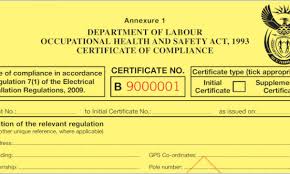
The validity period for an Electric Certificate of Compliance (COC) in South Africa is two years provided that the electrical system hasn't been changed in any way.
If you've made alterations to a building in South Africa that affect its electrical systems, you will need to obtain a new Electric Certificate of Compliance (COC). Any modifications to the electrical wiring or installations may impact the safety and compliance of the building's electrical system, so it's necessary to have it inspected and certified to ensure it meets the required standards.
An Electrical Certificate of Compliance (COC) is an official document issued by a qualified electrician or electrical contractor in South Africa. It certifies that the electrical installations in a property comply with the safety standards and regulations set forth in the South African National Standards (SANS 10142-1) and the Electricity Regulation Act.
Here's a detailed breakdown of what an Electrical COC typically includes:
Identification Information: The COC begins with identifying details such as the name and address of the property owner, the address of the property where the electrical work was performed, and the contact information of the electrician or electrical contractor issuing the certificate.
Description of Work: A description of the electrical work performed, including details of any alterations, additions, repairs, or installations carried out on the electrical system. This may include information about wiring, distribution boards, circuitry, fixtures, outlets, switches, and any other electrical components.
Compliance Statement: A statement confirming that the electrical installations comply with the requirements of the South African National Standards (SANS 10142-1) and other relevant regulations and codes. This indicates that the electrical work meets the necessary safety standards to protect against electrical hazards.
Inspection Details: Information about the date of the electrical inspection, including the date when the electrical work was completed and the date when the COC was issued. This verifies that the electrical installations were inspected by a qualified electrician and found to be compliant at the time of inspection.
Test Results: Test results and measurements conducted during the inspection to verify the integrity and performance of the electrical installations. This may include readings for voltage levels, circuit continuity, insulation resistance, earth leakage, and other electrical parameters.
Defects and Recommendations: Any defects or non-compliance issues identified during the inspection, along with recommendations for corrective action. This may include defects that need immediate attention to ensure the safety of the electrical installations or recommendations for improvements to enhance performance and efficiency.
Signature and Certification: The COC is signed and certified by the issuing electrician or electrical contractor, indicating their professional endorsement of the document. The signature confirms that the electrical installations have been inspected and found to comply with the required standards.
Validity Period: The COC typically includes a validity period, usually two years from the date of issue. This indicates the duration for which the electrical installations are considered compliant, after which a new inspection and certification may be required to renew the COC.
An Electrical Certificate of Compliance is an essential document for property owners, buyers, insurers, and regulatory authorities as it provides assurance that the electrical installations in a property meet the necessary safety standards and regulatory requirements. It serves as proof of compliance and helps to mitigate risks associated with electrical hazards and non-compliance.
Here are some interesting facts about Electric Certificates of Compliance (COC) in South Africa:
- Legal Requirement: In South Africa, it's a legal requirement for sellers to provide a valid COC when selling a property. This ensures that the electrical installations in the property comply with national safety standards and regulations.
- Qualified Inspectors: Only qualified and registered electricians who are certified by regulatory bodies such as the Electrical Contractors' Association of South Africa (ECASA) or the Department of Labour are authorized to issue COCs.
- Transfer of Ownership: When a property changes ownership, the existing COC may need to be renewed or updated, especially if there have been any alterations or additions to the electrical system since the last inspection.
- Insurance Requirement: Some insurance companies may require a valid COC as a condition for providing coverage. This is because it assures them that the electrical system in the insured property meets safety standards, reducing the risk of electrical-related incidents.
- Penalties for Non-Compliance: Failure to provide a valid COC when selling a property can result in penalties, fines, or delays in the property transfer process. Additionally, non-compliance with electrical safety standards can pose serious risks to occupants and may lead to legal liabilities.