ELECTRICAL CONSTRUCTION
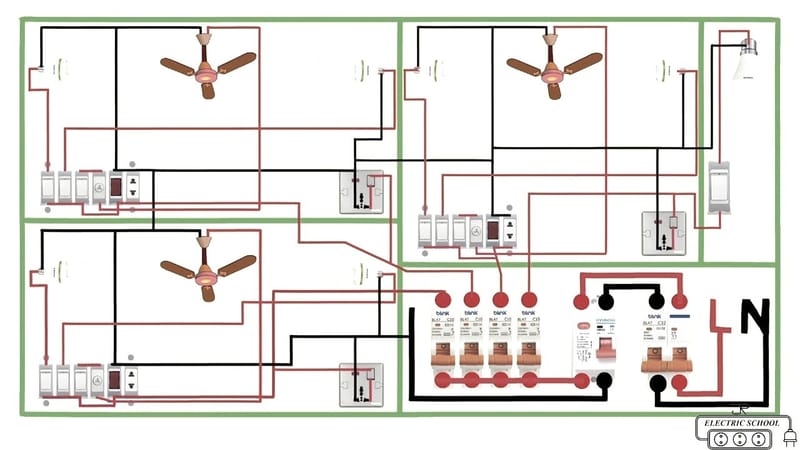
In electrical construction, various services are typically rendered to ensure the successful completion of projects. These services may include:
Design and Engineering: This involves the planning and design of electrical systems for buildings, infrastructure, or industrial facilities. Electrical engineers create blueprints and schematics that outline the layout of electrical components, wiring, and equipment.
Installation: Electricians and electrical contractors carry out the installation of electrical systems based on the design specifications. This includes wiring, fixtures, outlets, switches, circuit breakers, transformers, and other necessary components.
Power Distribution: Setting up power distribution systems to deliver electricity from the source (such as a utility company or generator) to various points of use within a building or facility. This may involve the installation of distribution panels, subpanels, and distribution wiring.
Lighting Installation: Installing lighting fixtures, including overhead lights, recessed lighting, track lighting, emergency lighting, and exterior lighting. This also involves the installation of lighting controls such as dimmer switches, motion sensors, and timers.
Safety Systems: Implementing safety systems such as grounding and bonding to protect against electrical hazards. This may include installing surge protection devices, ground fault circuit interrupters (GFCIs), and ensuring compliance with electrical codes and regulations.
Testing and Commissioning: Conducting tests and inspections to ensure that electrical systems are functioning correctly and safely. This includes checking for proper wiring connections, voltage levels, circuit continuity, insulation resistance, and adherence to design specifications.
Maintenance and Repair: Providing ongoing maintenance services to ensure the reliability and efficiency of electrical systems. This may involve periodic inspections, cleaning, troubleshooting, and repairing faulty components or wiring.
Integration with Other Systems: Coordinating electrical construction activities with other trades and systems, such as HVAC (heating, ventilation, and air conditioning), plumbing, fire protection, and building automation systems, to ensure seamless integration and functionality.
Documentation and Compliance: Keeping accurate records of all electrical construction activities, including design documents, installation drawings, equipment specifications, test reports, and compliance certificates. Ensuring compliance with local building codes, regulations, and industry standards is also essential.
These services collectively contribute to the successful implementation of electrical construction projects, whether they involve residential, commercial, industrial, or infrastructure developments.