ELECTRICAL MAINTENANCE
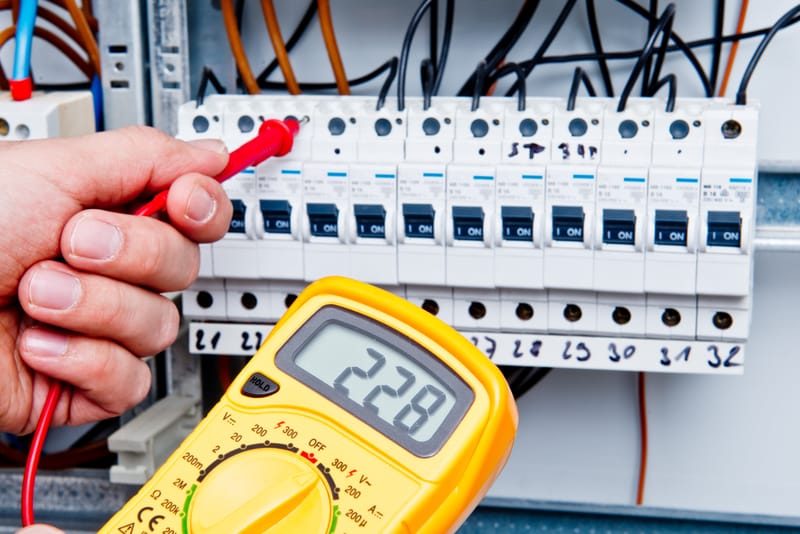
Electrical maintenance involves a range of services aimed at ensuring the safe and efficient operation of electrical systems over time. Some of the key services typically rendered in electrical maintenance include:
Inspections: Regular inspections of electrical systems and equipment to identify any signs of wear, damage, or potential hazards. Inspections may include visual checks, thermal imaging, and testing with specialized equipment.
Testing and Diagnostics: Conducting tests to verify the performance and integrity of electrical components and systems. This may involve testing for voltage levels, circuit continuity, insulation resistance, ground fault protection, and power quality.
Preventive Maintenance: Implementing scheduled maintenance tasks to prevent potential failures and prolong the lifespan of electrical equipment. This includes tasks such as cleaning, lubricating, tightening connections, and replacing worn-out components.
Emergency Repairs: Responding to unexpected failures or malfunctions in electrical systems and equipment to minimize downtime and ensure the safety of occupants. Emergency repair services may involve troubleshooting, component replacement, and restoring functionality as quickly as possible.
Upgrades and Retrofits: Assessing existing electrical systems to identify opportunities for upgrades or retrofits that can improve efficiency, reliability, and safety. This may involve replacing outdated equipment with newer, more energy-efficient models, or implementing modern safety features.
Compliance Audits: Conducting audits to ensure that electrical systems and installations comply with relevant codes, regulations, and industry standards. This helps to mitigate risks and liabilities associated with non-compliance and ensures the safety of occupants and property.
Documentation and Record-Keeping: Maintaining accurate records of maintenance activities, including inspection reports, test results, maintenance schedules, and equipment histories. This documentation helps to track the condition of electrical systems over time and plan future maintenance efforts effectively.
Training and Education: Providing training and education for maintenance personnel and building occupants on electrical safety practices, emergency procedures, and proper use of electrical equipment. This helps to prevent accidents and promote a culture of safety within the organization.
Energy Management: Implementing energy management strategies to optimize the performance and efficiency of electrical systems, reduce energy consumption, and lower operating costs. This may involve measures such as load balancing, voltage optimization, and implementing energy-saving technologies.
By providing these services, electrical maintenance helps to ensure the reliability, safety, and longevity of electrical systems, contributing to the overall efficiency and functionality of buildings and facilities.
In a coastal town, electrical construction services may involve additional considerations due to the unique environmental conditions posed by coastal environments. Here are some specific services that may be rendered in electrical construction in a coastal town:
Corrosion Protection: Given the corrosive effects of saltwater and salt-laden air, corrosion protection measures are essential for electrical equipment and wiring. This may involve the use of corrosion-resistant materials such as stainless steel or specialized coatings to protect against rust and deterioration.
Waterproofing: Ensuring that electrical installations are adequately waterproofed to protect against moisture intrusion from rain, sea spray, and high humidity levels. This includes using waterproof enclosures, sealants, gaskets, and cable glands to prevent water ingress into electrical components.
Coastal Code Compliance: Adhering to specific building codes and regulations applicable to coastal areas, which may include requirements for wind resistance, saltwater exposure, and coastal erosion mitigation. Compliance with these regulations is crucial for ensuring the structural integrity and safety of electrical installations in coastal environments.
Storm Preparedness: Designing electrical systems with resilience to withstand severe weather events such as hurricanes, tropical storms, and coastal flooding. This may involve elevation of electrical equipment above flood levels, securing outdoor installations against high winds, and implementing backup power systems for emergency preparedness.
Grounding and Bonding: Implementing effective grounding and bonding systems to mitigate the risk of electrical hazards associated with lightning strikes and power surges, which may be more prevalent in coastal areas prone to thunderstorms and electrical storms.
Resilient Infrastructure: Incorporating resilient design principles into electrical infrastructure to minimize the risk of damage and downtime caused by coastal hazards such as storm surges, coastal erosion, and sea level rise. This may include elevated substations, flood-resistant equipment, and redundant power distribution systems.