Benefits of Energy-Efficient Lighting
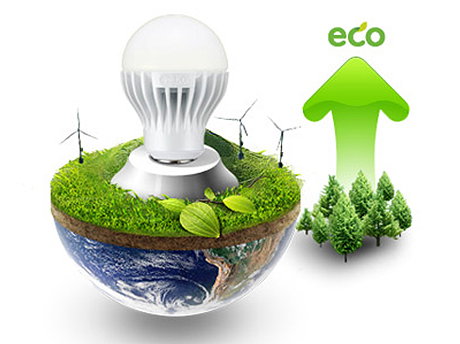
Here's a list of benefits of energy-efficient lighting:
- Reduced Energy Consumption: Energy-efficient lighting technologies, such as LED (Light Emitting Diode) and CFL (Compact Fluorescent Lamp) bulbs, consume significantly less electricity compared to traditional incandescent bulbs. This leads to lower energy bills and reduced overall energy consumption.
- Cost Savings: By using less electricity, energy-efficient lighting can result in substantial cost savings for homeowners and businesses over time. While the initial investment in energy-efficient bulbs may be higher, their longer lifespan and lower energy usage result in lower total cost of ownership.
- Longer Lifespan: Energy-efficient bulbs, particularly LED bulbs, have a much longer lifespan compared to traditional incandescent bulbs. LED bulbs can last up to 25 times longer, reducing the frequency of bulb replacements and the associated maintenance costs.
- Lower Environmental Impact: Energy-efficient lighting reduces greenhouse gas emissions and environmental pollution associated with electricity generation. By using less electricity, energy-efficient bulbs help mitigate climate change and preserve natural resources.
- Improved Lighting Quality: Energy-efficient lighting technologies provide bright, uniform illumination with excellent color rendering properties. LED bulbs, in particular, offer a wide range of color temperatures and dimming capabilities, allowing users to customize their lighting to suit their preferences and needs.
- Reduced Heat Emission: Energy-efficient lighting generates less heat compared to traditional incandescent bulbs, which can help reduce the strain on air conditioning systems in warm climates. This leads to additional energy savings and improved comfort indoors.
- Instantaneous On/Off: Energy-efficient bulbs, such as LED and CFL bulbs, turn on instantly without the need for warm-up time. This feature enhances convenience and usability, particularly in applications where quick, reliable lighting is essential.
- Durability and Resistance to Shock: LED bulbs are highly durable and resistant to shock, vibration, and temperature fluctuations, making them ideal for use in various indoor and outdoor environments. They are less prone to breakage compared to fragile incandescent bulbs, reducing the risk of accidents and injuries.
- Versatility and Design Flexibility: Energy-efficient lighting solutions come in a variety of shapes, sizes, and form factors, allowing for greater design flexibility and versatility in lighting applications. LED technology, in particular, enables innovative lighting designs and creative architectural lighting solutions.
- Government Incentives and Rebates: Many governments and utility companies offer incentives, rebates, and tax credits to encourage the adoption of energy-efficient lighting technologies. Taking advantage of these programs can further reduce the upfront costs of upgrading to energy-efficient lighting.
Overall, energy-efficient lighting offers numerous benefits, including cost savings, environmental sustainability, improved lighting quality, and enhanced convenience. Investing in energy-efficient lighting not only benefits individual consumers and businesses but also contributes to a more sustainable and energy-efficient future.