How to Save Electricity?
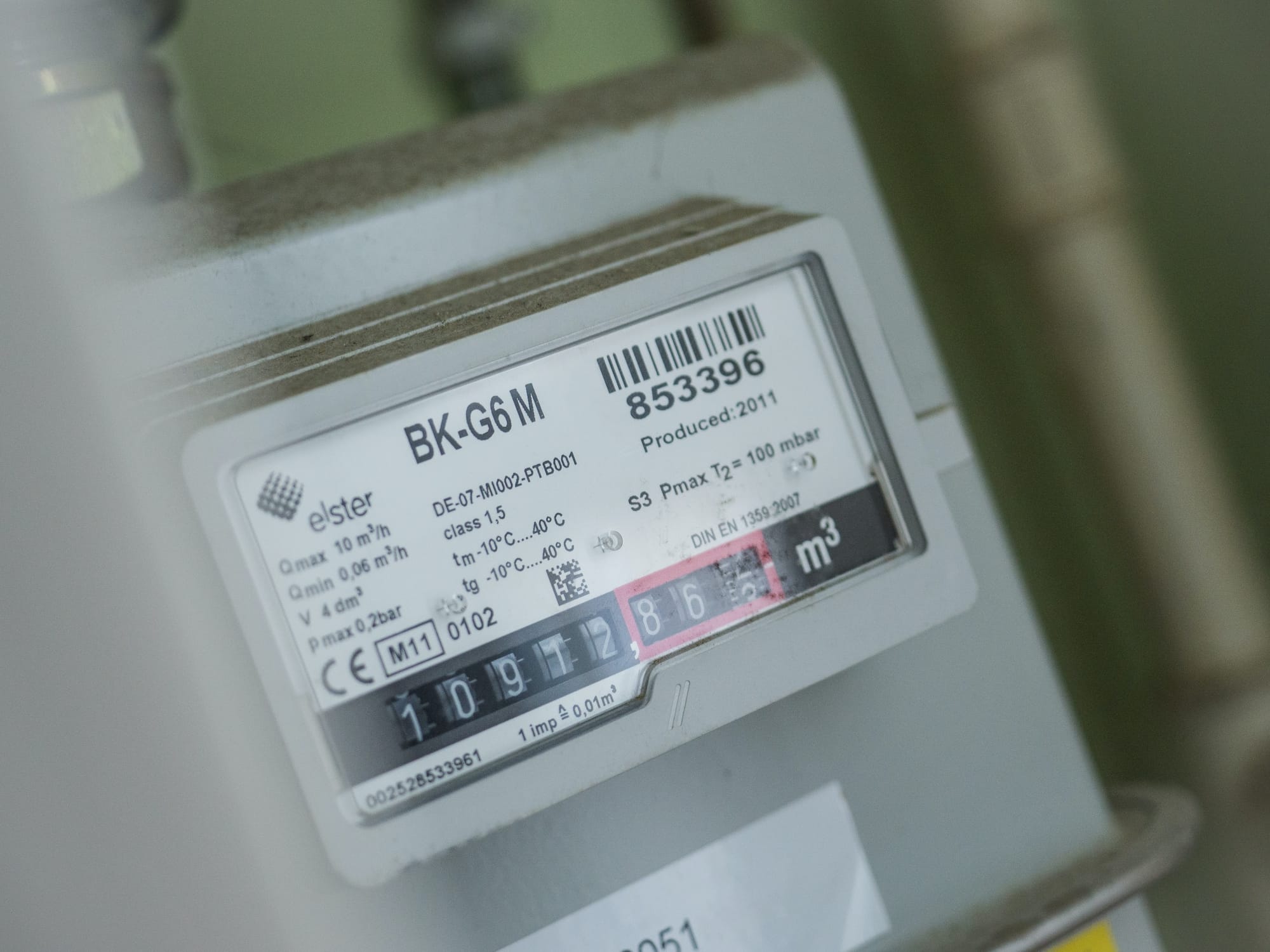
Saving electricity in and around the house not only reduces your utility bills but also helps the environment by reducing energy consumption. Here are some tips to help you save electricity:
- Switch to LED Light Bulbs: LED bulbs use significantly less electricity than traditional incandescent bulbs and last much longer.
- Turn Off Lights When Not in Use: Make it a habit to turn off lights when leaving a room. Consider installing motion sensors or timers for outdoor lighting.
- Use Natural Light: During the day, open curtains and blinds to let in natural light instead of using artificial lighting.
- Unplug Electronics When Not in Use: Many electronics and appliances draw power even when turned off. Unplug devices or use power strips that can be easily switched off when not in use.
- Use Energy-Efficient Appliances: When purchasing new appliances, look for Energy Star-rated models, which are designed to use less electricity.
- Optimize Refrigerator Settings: Set your refrigerator and freezer to the optimal temperature (typically between 37-40°F for the refrigerator and 0-5°F for the freezer) and keep them well-stocked to maintain efficiency.
- Air Dry Clothes: Instead of using a clothes dryer, hang clothes to air dry whenever possible. If you do use a dryer, clean the lint trap after each use to improve efficiency.
- Seal Leaks and Insulate: Properly insulate your home and seal any drafts around windows and doors to prevent heat loss in winter and keep cool air in during summer.
- Use Ceiling Fans Wisely: Ceiling fans can help circulate air, allowing you to set your thermostat higher in summer and lower in winter, reducing the workload on your heating and cooling systems.
- Upgrade to Smart Thermostats: Smart thermostats can learn your habits and adjust temperature settings automatically, optimizing energy usage.
- Reduce Phantom Loads: Unplug chargers, power adapters, and other electronics when not in use to avoid phantom energy consumption.
- Cook Efficiently: Use microwaves or toaster ovens for small meals, as they use less energy than conventional ovens. Also, match the size of the pot or pan to the size of the burner when cooking on the stove.
- Plant Trees and Shrubs: Strategically planting trees and shrubs around your home can provide shade in summer, reducing the need for air conditioning.
- Use Energy-Efficient Heating and Cooling Systems: If possible, upgrade to energy-efficient HVAC systems, and regularly maintain them to ensure optimal performance.
- Educate Household Members: Encourage everyone in your household to be mindful of energy usage and to adopt energy-saving habits.
By implementing these tips, you can significantly reduce your electricity consumption and contribute to a more sustainable future.