Common Electrical Problems and Their Solutions
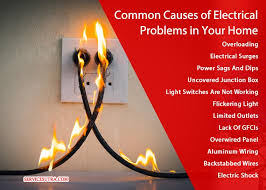
Here's a list of common electrical problems that homeowners may encounter, along with their solutions:
- Frequent Circuit Breaker Tripping:
- Problem: Circuit breakers trip frequently, cutting off power to a specific circuit or the entire house.
- Solution: Determine the cause of the overload, which could be due to too many appliances plugged into the circuit, a short circuit, or a ground fault. Unplug devices, redistribute loads, and consider upgrading the circuit or installing additional circuits if necessary.
- Flickering or Dimming Lights:
- Problem: Lights flicker or dim intermittently, indicating issues with the electrical circuit.
- Solution: Check for loose or corroded connections in the light fixture, switch, or electrical panel. Replace damaged components, tighten connections, or consult with an electrician to diagnose and resolve the underlying cause.
- Dead Outlets or Switches:
- Problem: Outlets or switches do not work, resulting in no power to connected devices or lighting fixtures.
- Solution: Reset tripped circuit breakers or GFCI outlets. If the problem persists, inspect the outlet or switch for loose connections, damaged wiring, or faulty components. Replace or repair as necessary.
- Electrical Shocks or Tingling Sensations:
- Problem: Experiencing electrical shocks or tingling sensations when touching switches, outlets, or appliances.
- Solution: Immediately disconnect power to the affected area and avoid touching any electrical components. Contact a licensed electrician to inspect the wiring, grounding, and insulation for faults or deficiencies. Address any issues promptly to prevent electric shock hazards.
- Overheating Outlets or Switches:
- Problem: Outlets or switches feel warm to the touch or emit a burning smell, indicating potential overheating.
- Solution: Turn off power to the affected circuit and refrain from using the outlet or switch. Inspect for loose connections, overloaded circuits, or damaged wiring. Replace damaged components, upgrade to higher-rated outlets or switches, and redistribute loads to prevent overheating.
- Electrical Surges or Spikes:
- Problem: Sudden surges or spikes in voltage can damage electronic devices and appliances.
- Solution: Install surge protectors at key entry points to the electrical system, such as the main panel or individual outlets. Consider whole-house surge protection for comprehensive protection against power surges caused by lightning or utility grid fluctuations.
- Buzzing or Humming Sounds:
- Problem: Buzzing or humming noises emanating from electrical outlets, switches, or appliances.
- Solution: Investigate the source of the noise, which could indicate loose connections, arcing, or faulty components. Turn off power to the affected area and consult with an electrician to diagnose and resolve the issue before it escalates into a more significant problem.
- Tripped Ground Fault Circuit Interrupters (GFCIs):
- Problem: GFCI outlets trip repeatedly, cutting off power to outlets in wet or damp areas.
- Solution: Test the GFCI outlet to ensure proper functioning. If the GFCI continues to trip, inspect for moisture intrusion, damaged wiring, or ground faults. Replace faulty GFCIs or address underlying issues to restore functionality and maintain safety in wet locations.
- Rodent or Pest Damage:
- Problem: Rodents or pests chew through electrical wires, causing damage and potential safety hazards.
- Solution: Inspect the electrical system for signs of rodent or pest activity, such as gnaw marks or droppings. Repair damaged wiring, seal entry points, and implement pest control measures to prevent further damage and mitigate fire risks associated with exposed wires.
- Old or Outdated Electrical Components:
- Problem: Aging electrical components, such as wiring, outlets, or switches, may pose safety risks or fail to meet current standards.
- Solution: Schedule a comprehensive electrical inspection to assess the condition of older components and identify potential hazards or deficiencies. Upgrade to modern, code-compliant electrical components as needed to improve safety and reliability throughout the home.
Addressing these common electrical problems promptly and effectively can help homeowners maintain a safe, functional, and reliable electrical system in their homes. However, for complex issues or those involving potential safety hazards, it's always advisable to seek professional assistance from a licensed electrician.