Electrical Upgrades for Home Renovations
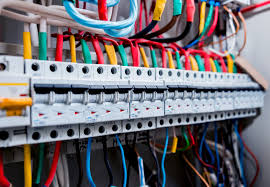
When renovating or remodeling their homes, homeowners should consider several electrical considerations and upgrades to ensure the safety, functionality, and efficiency of their electrical systems. Here are some important factors to keep in mind:
- Assessment of Current Electrical System:
- Before beginning any renovation or remodeling project, assess the existing electrical system to identify any deficiencies, outdated components, or safety hazards. Evaluate the capacity of the electrical panel, the condition of wiring, outlets, switches, and lighting fixtures, and the overall layout of the electrical system.
- Electrical Panel Upgrade:
- If the existing electrical panel is outdated, undersized, or unable to meet the demands of modern electrical usage, consider upgrading to a larger capacity panel. A panel upgrade increases the number of available circuits and accommodates additional electrical loads resulting from renovations or new appliances.
- Additional Circuits for New Appliances and Fixtures:
- Determine if the renovation or remodeling project will involve the installation of new appliances, lighting fixtures, or electrical outlets. Ensure that sufficient dedicated circuits are available for these additions to prevent overloading existing circuits and ensure safe operation.
- GFCI and AFCI Protection:
- Install Ground Fault Circuit Interrupters (GFCIs) in areas prone to moisture, such as kitchens, bathrooms, laundry rooms, and outdoor outlets, to protect against electrical shocks. Additionally, consider installing Arc Fault Circuit Interrupters (AFCIs) to detect and mitigate arc faults, reducing the risk of electrical fires in living areas and bedrooms.
- Upgrade to Energy-Efficient Lighting:
- Take advantage of the renovation or remodeling project to upgrade to energy-efficient lighting solutions, such as LED bulbs or fixtures. Energy-efficient lighting not only reduces electricity consumption and utility bills but also provides better quality illumination and longer lifespan compared to traditional incandescent bulbs.
- Enhanced Wiring for Home Automation and Technology Integration:
- Incorporate structured wiring solutions and provisions for home automation systems, smart technology, and entertainment systems during the renovation process. Install wiring conduits, ethernet cables, and electrical outlets strategically to support future technology upgrades and integration.
- Placement and Quantity of Outlets and Switches:
- Plan the placement and quantity of electrical outlets, switches, and USB charging ports to accommodate the needs of modern living. Ensure that outlets are conveniently located near countertops, workspaces, and furniture to facilitate easy access and reduce reliance on extension cords.
- Lighting Design and Control Options:
- Design a lighting layout that enhances the functionality, aesthetics, and ambiance of each room. Consider incorporating dimmer switches, motion sensors, and programmable lighting controls to improve energy efficiency and customize lighting levels according to different activities and preferences.
- Safety and Code Compliance:
- Ensure that all electrical work complies with local building codes, electrical regulations, and safety standards. Obtain necessary permits for electrical installations, inspections, and approvals to ensure that the renovation or remodeling project meets legal requirements and ensures occupant safety.
- Professional Electrical Consultation and Installation:
- Consult with a licensed electrician or electrical contractor to assess your electrical needs, provide recommendations, and perform necessary installations or upgrades. Hiring a qualified professional ensures that electrical work is done safely, up to code, and meets your specific requirements and preferences.
By considering these electrical considerations and upgrades during the renovation or remodeling process, homeowners can create a safer, more functional, and energy-efficient living environment while enhancing the value and appeal of their homes.