The Importance of Ground Fault Circuit Interrupters (GFCIs) and Arc Fault Circuit Interrupters (AFCIs)
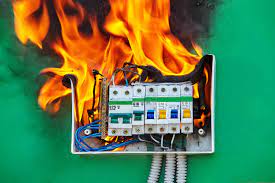
Ground Fault Circuit Interrupters (GFCIs) and Arc Fault Circuit Interrupters (AFCIs) are two types of electrical safety devices designed to protect against different types of electrical hazards in homes. Let's explore their functions and why they should be installed in homes:
- Ground Fault Circuit Interrupters (GFCIs):
- Function: GFCIs monitor the flow of electricity in a circuit and quickly shut off power if they detect a ground fault or leakage of current to ground. Ground faults can occur when electricity escapes from the intended path of a circuit, potentially flowing through a person or object, leading to electric shocks or electrocution.
- Preventing Electrical Shocks: By interrupting the flow of electricity when a ground fault is detected, GFCIs prevent electric shocks and reduce the risk of electrocution, especially in wet or damp environments like bathrooms, kitchens, and outdoor areas where the likelihood of contact with water is higher.
- Why They Should Be Installed: GFCIs are mandated by electrical codes in many regions for outlets located in areas where water is present or where the risk of electrical shock is heightened. Installing GFCIs in these locations helps protect occupants from potentially life-threatening electrical accidents and ensures compliance with safety standards.
- Arc Fault Circuit Interrupters (AFCIs):
- Function: AFCIs are designed to detect dangerous electrical arcs, which occur when there is an unintentional flow of electricity through the air between conductors, such as damaged or deteriorating wiring, loose connections, or faulty appliances. Arc faults can generate high temperatures, leading to electrical fires.
- Preventing Electrical Fires: AFCIs monitor the electrical waveform and identify characteristic patterns of arcs. When an arc fault is detected, the AFCI interrupts the circuit to prevent the arc from causing a fire. By detecting and mitigating arc faults, AFCIs help prevent electrical fires and reduce the risk of property damage, injuries, and fatalities.
- Why They Should Be Installed: AFCIs are required by electrical codes for most residential circuits, including bedrooms, living rooms, and other habitable areas. Installing AFCIs throughout the home helps enhance fire safety and provides an additional layer of protection against electrical fires, complementing other fire prevention measures such as smoke detectors and fire extinguishers.
In summary, GFCIs and AFCIs play crucial roles in safeguarding homes against electrical hazards, including electric shocks and fires. By promptly detecting and interrupting ground faults and arc faults, respectively, these safety devices help protect occupants, prevent property damage, and ensure compliance with electrical codes and safety standards. Homeowners should prioritize the installation of GFCIs and AFCIs in their homes to enhance electrical safety and minimize the risk of electrical accidents.