Understanding Electrical Panel Upgrades
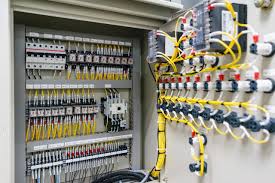
The electrical panel, also known as the breaker box or distribution board, serves as the nerve center of a home's electrical system. It's responsible for distributing electricity throughout the house, ensuring that power is delivered safely and efficiently to various circuits and appliances. Over time, however, the demands on our electrical systems evolve, and so do the requirements for safety and efficiency. This article aims to educate readers about when and why an electrical panel upgrade may be necessary, as well as the benefits of modernizing the electrical panel. When is an Electrical Panel Upgrade Necessary?
- Aging Infrastructure: Many homes, especially those built several decades ago, may still have outdated electrical panels that are unable to meet the demands of modern electrical usage. Aging infrastructure can lead to safety hazards and inefficiencies.
- Frequent Circuit Overloads: If your electrical panel frequently trips or experiences circuit overloads, it may indicate that the panel is overloaded and unable to handle the electrical load of your home. This could be due to the addition of new appliances or electronics.
- Fuse-Type Panels: Homes with fuse-type electrical panels, which were common several decades ago, may require an upgrade to modern circuit breaker panels for improved safety and reliability.
- Renovations or Additions: Renovations, home additions, or the installation of new appliances often require additional electrical capacity. Upgrading the electrical panel ensures that your home's electrical system can accommodate these changes safely and efficiently.
- Obsolete or Unsafe Panels: Some electrical panels, such as certain models of Federal Pacific Electric (FPE) or Zinsco panels, have been found to be defective or pose safety risks. Upgrading to a modern, code-compliant panel mitigates these risks and ensures the safety of your home.
Why Upgrade Your Electrical Panel?
- Increased Electrical Capacity: Modern electrical panels have higher amperage capacities, allowing them to handle greater electrical loads. This provides the flexibility to power more appliances, electronics, and devices simultaneously without overloading the system.
- Enhanced Safety: Upgrading to a modern electrical panel improves the safety of your home by reducing the risk of electrical fires, shocks, and other hazards. Newer panels incorporate advanced safety features such as arc fault circuit interrupters (AFCIs) and ground fault circuit interrupters (GFCIs) to protect against electrical faults and abnormalities.
- Improved Energy Efficiency: Older electrical panels may be less efficient and result in energy wastage. Modern panels, particularly those equipped with energy management features or smart technology, optimize energy usage and help lower electricity bills.
- Code Compliance: Building codes and electrical regulations evolve over time to reflect advancements in technology and safety standards. Upgrading to a modern electrical panel ensures that your home's electrical system complies with current codes and regulations, reducing the risk of code violations and associated penalties.
- Peace of Mind: Knowing that your home's electrical panel is up-to-date, safe, and capable of meeting your electrical needs provides peace of mind for you and your family. You can rest assured that you've taken proactive steps to protect your home and loved ones from electrical hazards.
In conclusion, upgrading your electrical panel is a critical investment in the safety, efficiency, and reliability of your home's electrical system. By addressing the signs of an outdated or inadequate electrical panel and taking advantage of the benefits of modernizing, homeowners can ensure the long-term performance and safety of their electrical infrastructure. If you suspect that your electrical panel may need an upgrade or have any concerns about its condition, consult with a licensed electrician to assess your needs and recommend the appropriate course of action.